Dive into the vibrant tapestry of the 20th century with Cultural History, where major movements, globalization impacts, and technological influences unfold in a captivating journey through time.
Cultural History of the 20th Century
The 20th century witnessed a myriad of cultural movements that left a lasting impact on society. From modernism to postmodernism, these movements shaped the way people viewed art, music, literature, and fashion.
Major Cultural Movements
- The rise of modernism in the early 20th century challenged traditional norms and embraced experimentation in art, literature, and music.
- Surrealism emerged in the 1920s, focusing on the subconscious and dreams, leading to groundbreaking works by artists like Salvador Dali and Rene Magritte.
- The counterculture movement of the 1960s rebelled against mainstream society, advocating for peace, love, and social change through music and art.
- Postmodernism in the late 20th century deconstructed traditional beliefs and questioned reality, influencing various forms of expression.
Impact of Globalization
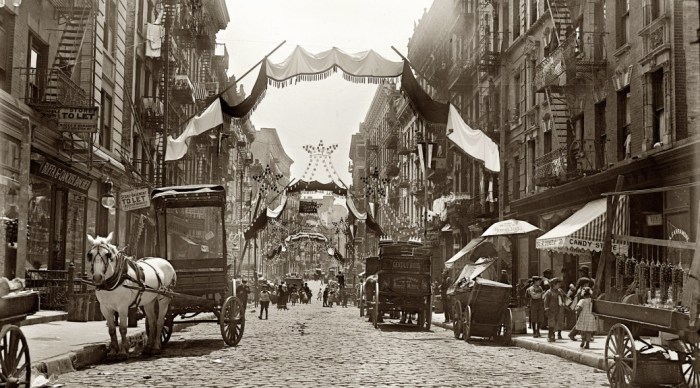
Globalization during the 20th century facilitated cultural exchanges on a global scale, allowing ideas, art forms, and fashion trends to transcend borders. This interconnectedness led to a fusion of different cultures, creating a diverse and dynamic cultural landscape.
Technological Advancements
- The invention of the phonograph revolutionized the music industry, allowing for the mass production and distribution of music.
- Technological advancements in film led to the birth of cinema, influencing storytelling and visual aesthetics in the 20th century.
- The internet in the late 20th century transformed the way people consumed art, music, literature, and fashion, enabling immediate access to a wide range of cultural content.
Society History
Women played a crucial role in shaping society during the 20th century, challenging traditional gender roles and fighting for equality in various aspects of life. Civil rights movements also had a significant impact on societal norms and structures, leading to important changes in legislation and social attitudes. The portrayal of LGBTQ+ individuals in mainstream media evolved throughout the century, reflecting changing perceptions and struggles for acceptance.
Role of Women
Women in the 20th century made significant strides in various fields, including politics, education, and the workforce. They fought for suffrage, reproductive rights, and equal pay, challenging societal expectations and norms. Icons such as Rosa Parks, Amelia Earhart, and Marie Curie paved the way for future generations of women to pursue their dreams and ambitions.
Civil Rights Movements
The civil rights movements of the 20th century, such as the African American Civil Rights Movement and the LGBTQ+ rights movement, were instrumental in challenging systemic racism and discrimination. Leaders like Martin Luther King Jr., Rosa Parks, and Harvey Milk fought for equality and justice, leading to groundbreaking legislation and social change.
Portrayal of LGBTQ+ Individuals
The portrayal of LGBTQ+ individuals in mainstream media underwent a transformation throughout the 20th century. From harmful stereotypes and invisibility to more diverse and authentic representations, the LGBTQ+ community fought for visibility and acceptance. TV shows like “Will & Grace” and movies like “Brokeback Mountain” played a key role in humanizing LGBTQ+ characters and sharing their stories with a wider audience.
Military History
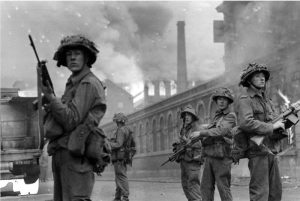
The 20th century was marked by significant advancements in military technology and strategies, leading to major wars and conflicts that shaped global military dynamics. One of the most impactful developments during this period was the introduction of nuclear weapons.
Major Wars and Conflicts
- World War I (1914-1918): The first global conflict involving major world powers, resulting in millions of casualties and redrawing the map of Europe.
- World War II (1939-1945): The deadliest conflict in human history, with significant technological advancements and the use of nuclear weapons.
- Cold War (1947-1991): A period of geopolitical tension between the Soviet Union and the United States, characterized by proxy wars and the arms race.
Advancements in Military Technology and Strategies
- Airpower: The development of fighter jets and bombers revolutionized warfare and strategic bombing tactics.
- Tanks: Armored vehicles played a crucial role in ground warfare, leading to the development of more advanced tank designs.
- Naval Warfare: The introduction of aircraft carriers and submarines transformed naval strategies and capabilities.
Impact of Nuclear Weapons
-
Nuclear weapons have fundamentally altered the nature of warfare, leading to the concept of mutually assured destruction (MAD) and influencing global power dynamics.
- The use of nuclear weapons during World War II in Hiroshima and Nagasaki highlighted the devastating consequences of these weapons.
- The Cold War era was marked by the nuclear arms race between the United States and the Soviet Union, shaping international relations and military strategies.
Society People
Throughout the 20th century, numerous influential figures emerged in various fields, shaping the course of history and leaving a lasting impact on society. From politics to science, arts, and activism, these individuals played a crucial role in driving change and progress.
Political Leaders
Political leaders in the 20th century wielded significant influence over their respective nations and the global community, shaping policies and decisions that impacted millions of lives.
- Winston Churchill: Known for his leadership during World War II and as the Prime Minister of the United Kingdom, Churchill’s speeches and actions inspired the British people during a time of great adversity.
- Nelson Mandela: A key figure in the fight against apartheid in South Africa, Mandela’s efforts towards reconciliation and equality earned him international acclaim and the Nobel Peace Prize.
- Margaret Thatcher: The first female Prime Minister of the United Kingdom, Thatcher’s conservative policies and leadership style left a lasting impact on British politics and society.
Civil Rights Leaders
Civil rights leaders around the world fought tirelessly for equality, justice, and human rights, challenging oppressive systems and advocating for marginalized communities.
- Martin Luther King Jr.: A prominent figure in the American civil rights movement, King’s nonviolent activism and powerful speeches helped bring about significant change, including the Civil Rights Act of 1964.
- Mahatma Gandhi: A leader of India’s independence movement, Gandhi’s principles of nonviolence and civil disobedience inspired movements for justice and freedom globally.
- Rosa Parks: Known as the “Mother of the Civil Rights Movement,” Parks’ refusal to give up her seat on a segregated bus in Montgomery, Alabama, sparked a wave of protests and led to the desegregation of public transportation.
Innovators in Science and Technology
Scientists and inventors in the 20th century revolutionized the way we understand the world and interact with technology, leading to groundbreaking discoveries and advancements.
- Albert Einstein: Renowned for his theory of relativity and contributions to quantum mechanics, Einstein’s work reshaped our understanding of the universe and paved the way for modern physics.
- Marie Curie: A pioneer in the field of radioactivity, Curie’s research on radium and polonium earned her two Nobel Prizes and laid the foundation for future developments in nuclear science and medicine.
- Steve Jobs: Co-founder of Apple Inc., Jobs played a key role in the development of innovative products like the iPhone and iPad, revolutionizing the tech industry and changing the way we communicate and consume media.
Artistic Visionaries
Artists, writers, and musicians in the 20th century pushed boundaries, challenged conventions, and created works that continue to inspire and provoke thought today.
- Pablo Picasso: A leading figure in the Cubist movement, Picasso’s innovative approach to art and bold experimentation influenced generations of artists and reshaped the art world.
- Frida Kahlo: Known for her surreal and introspective paintings, Kahlo’s work explored themes of identity, gender, and Mexican culture, making her an iconic figure in the art world.
- Bob Dylan: A legendary singer-songwriter and voice of a generation, Dylan’s poetic lyrics and social commentary in songs like “Blowin’ in the Wind” and “The Times They Are a-Changin'” captured the spirit of the 1960s and beyond.
Conclusion

As we conclude our exploration of Cultural History of the 20th Century, we reflect on how the past century’s cultural evolution continues to shape our present and inspire our future.
FAQ Resource
How did cultural movements shape the 20th century?
Cultural movements like surrealism, pop art, and postmodernism revolutionized artistic expression and challenged societal norms.
What was the impact of globalization on cultural exchanges?
Globalization facilitated the sharing of ideas, art forms, and traditions across borders, leading to a more interconnected world culturally.
How did technological advancements influence art?
Technological advancements like photography, film, and digital art transformed the way artists create and audiences perceive art.