Step right up, as we delve into the intriguing realm of Historical Social Inequality! Prepare to be captivated by tales of disparity, power struggles, and societal transformations that have shaped our world throughout the ages.
From ancient civilizations to modern societies, the impact of social inequality is woven into the very fabric of history, creating a tapestry of contrasting experiences and outcomes.
Historical Social Inequality
Social inequality has been a prevalent issue throughout history, where certain individuals or groups have been privileged while others have been marginalized based on factors such as wealth, social status, gender, or ethnicity. This disparity in access to resources, opportunities, and power has shaped societies in various historical periods.
Ancient Civilizations
- In ancient Egypt, social inequality was evident in the strict hierarchical structure, where pharaohs and nobles held significant power and wealth, while peasants and slaves had limited rights and lived in poverty.
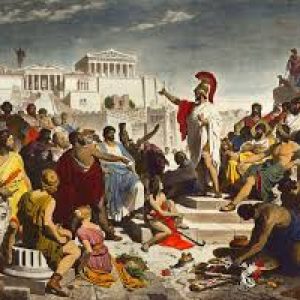
- Ancient Greece also experienced social inequality, with a small elite class of aristocrats enjoying political influence and economic prosperity, while the majority of the population, including slaves and women, had restricted rights and opportunities.
Modern Societies
- During the Industrial Revolution, social inequality escalated as the wealthy elite amassed fortunes through industrialization, while the working class endured harsh working conditions, low wages, and limited social mobility.
- In the 20th century, racial segregation in the United States exemplified social inequality, with African Americans facing discrimination in housing, education, and employment opportunities, leading to systemic disparities that persist to this day.
Impact on Societies
Social inequality has profound consequences on societies, contributing to social unrest, political instability, and economic disparities. It hinders social cohesion, undermines meritocracy, and perpetuates cycles of poverty and privilege. Addressing historical social inequality is crucial for fostering equality, justice, and sustainable development in modern societies.
Comparison between Ancient Civilizations and Modern Societies
| Aspect | Ancient Civilizations | Modern Societies |
|---|---|---|
| Economic Inequality | Primarily based on land ownership and agricultural production. | Driven by global capitalism and financial markets. |
| Social Mobility | Restricted by rigid social hierarchies and birthright. | Possible through education, entrepreneurship, and technological advancements. |
| Legal Rights | Varied significantly based on social status and gender. | Legally protected but often undermined by systemic discrimination. |
Society History
Throughout history, societal structures have been significantly influenced by a series of events that have shaped the way societies function. These events have played a crucial role in determining social hierarchies, norms, and values that have evolved over time.
Impact of Historical Events on Societal Structures
Historical events such as wars, revolutions, and economic crises have had a profound impact on societal structures. These events have led to the rise and fall of empires, the establishment of new political systems, and the redistribution of wealth and power among different social classes.
- The French Revolution in the late 18th century marked a significant turning point in European history, leading to the overthrow of the monarchy and the rise of democratic ideals. This event highlighted the struggle between the aristocracy and the common people, ultimately leading to the abolition of feudal privileges and the establishment of more egalitarian principles.
- The Industrial Revolution in the 19th century brought about massive social and economic changes, shifting societies from agrarian to industrial economies. This period saw the emergence of a new social class – the industrial bourgeoisie – and the rise of urbanization, leading to the formation of distinct social classes based on wealth and occupation.
Role of Social Classes in Different Historical Eras
Social classes have played a crucial role in shaping societies throughout history, determining power dynamics, access to resources, and social mobility.
| Historical Era | Key Social Classes | Role |
|---|---|---|
| Ancient Rome | Patricians, Plebeians, Slaves | Patricians held political power, Plebeians were commoners, and slaves had no rights. |
| Feudal Europe | Nobility, Clergy, Peasants | Nobility controlled land and resources, clergy held religious authority, and peasants worked the land. |
Evolution of Societal Norms and Values
Over time, societal norms and values have evolved in response to changing social, political, and cultural contexts. These changes have been influenced by philosophical movements, religious beliefs, and advancements in technology.
- The Enlightenment in the 18th century promoted ideas of reason, individualism, and human rights, challenging traditional authority structures and advocating for social equality.
- The Civil Rights Movement in the 20th century fought against racial segregation and discrimination, leading to significant changes in societal norms and values regarding equality and diversity.
Influence of Historical Figures on Societal Changes
Historical figures have played a crucial role in influencing societal changes through their actions, ideas, and leadership.
For example, Mahatma Gandhi’s nonviolent resistance movement in India inspired civil rights movements around the world, promoting the values of peace, equality, and social justice.
Similarly, Martin Luther King Jr.’s leadership during the Civil Rights Movement in the United States brought attention to racial inequality and paved the way for legislative changes that promoted equal rights for all citizens.
Society Military
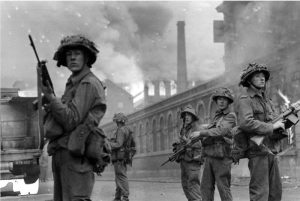
Military power has played a significant role in shaping social hierarchy throughout history. The ability to conquer lands, control resources, and exert authority through military might has often determined the social status of individuals and groups within a society.One of the most evident impacts of military conquests on social inequality is the establishment of ruling classes or elites who hold power and wealth acquired through military victories.
These conquerors often impose their dominance over subjugated populations, creating a hierarchy based on military strength and control.The military has also been instrumental in enforcing societal norms and maintaining social order. Through discipline, obedience, and the use of force, the military has upheld the rules and values of a society, ensuring compliance and cohesion among its members.On the other hand, military forces have also been known to challenge societal norms and disrupt social order.
Revolts, revolutions, and coups led by military factions have been common throughout history, often resulting in significant changes to the existing social structure.
Military Strategies in Maintaining or Disrupting Social Order
- One common military strategy used to maintain social order is the establishment of a strong centralized authority that enforces laws and regulations to control the population.
- Conversely, military coups or rebellions can disrupt social order by overthrowing existing governments and challenging the established power structure.
- Military interventions in conflicts or civil unrest can either suppress dissent and maintain stability or escalate tensions and lead to further social disruptions.
- Propaganda and psychological warfare are also tactics employed by the military to influence public perception and maintain or disrupt social norms and values.
Society People
In examining the lives of ordinary people throughout different historical periods, it becomes evident that social inequality played a significant role in shaping their daily experiences. From ancient civilizations to modern societies, individuals from marginalized groups have often faced discrimination and injustice. However, these same groups have also played a crucial role in shaping societal dynamics and have been at the forefront of resistance against social inequality.
Marginalized Groups in History
- Throughout history, marginalized groups such as women, minorities, and the lower class have faced discrimination and limited opportunities in various societies.
- Despite these challenges, marginalized groups have contributed significantly to the cultural, economic, and political development of their societies.
- From the suffragette movement to the civil rights movement, marginalized groups have actively fought against social inequality and advocated for equal rights and opportunities.
- By exploring the narratives of these marginalized groups, we gain a deeper understanding of the impact of social inequality on individuals and societies as a whole.
Ending Remarks
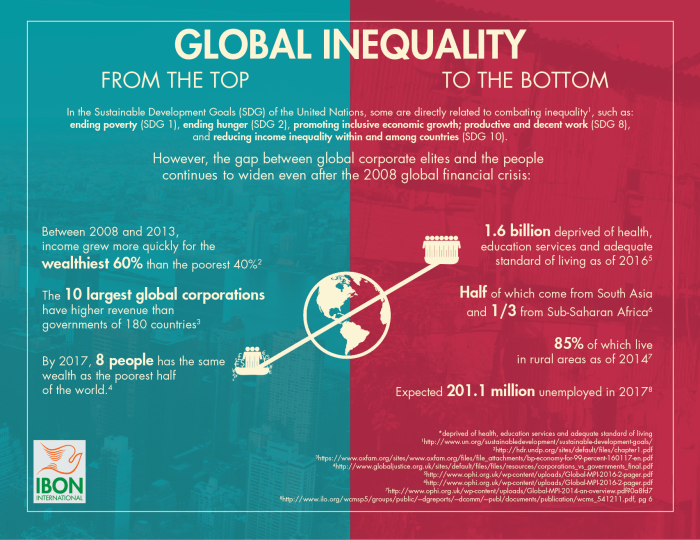
As we conclude our journey through the annals of time, we reflect on the enduring legacy of Historical Social Inequality. It serves as a stark reminder of the complexities and challenges faced by societies past and present, urging us to strive for a more equitable future.
Helpful Answers
How has social inequality evolved over different historical periods?
Social inequality has taken various forms throughout history, influenced by factors such as economic systems, political structures, and cultural beliefs.
What role did marginalized groups play in shaping historical societies?
Marginalized groups often faced discrimination and oppression, yet their resilience and resistance have been instrumental in driving social change and progress.
Can military power be a catalyst for social hierarchy?
Absolutely, military conquests and the use of force have historically been key drivers of establishing and maintaining social hierarchies within societies.