Step into the world of Military History and Impact, where battles shape destinies and wars define legacies. Explore how civilizations have been molded by the echoes of conflicts through time.
From ancient strategies to modern tactics, the evolution of warfare has left an indelible mark on societies worldwide. Dive into the annals of history to uncover the secrets of military geniuses and the impact of their leadership.
Introduction to Military History
Military History is the study of armed conflict and the impact it has had on societies throughout time. It is a crucial field of study that helps us understand the evolution of warfare, the strategies employed by different civilizations, and the consequences of military actions on a global scale.The importance of studying Military History lies in its ability to provide valuable insights into human behavior, decision-making processes, and the complexities of international relations.
By analyzing past military events, we can learn from both the successes and failures of our predecessors, gaining a deeper understanding of the causes and consequences of conflicts.Military History has played a significant role in shaping societies and cultures around the world. It has influenced the development of political systems, technological advancements, and social norms. From ancient battles to modern warfare, the study of Military History allows us to explore the impact of military actions on the course of history and the formation of nations.
The Evolution of Warfare
Military History offers a detailed look at how warfare has evolved over time, from ancient battles fought with swords and shields to modern conflicts utilizing advanced technology and tactics. By studying the changes in military strategy, weaponry, and tactics, we can gain a better understanding of the factors that have shaped the way wars are fought.
- Early civilizations relied on infantry and cavalry units to engage in hand-to-hand combat, with battles often decided by sheer brute force.
- As societies advanced, the development of siege weapons and naval fleets allowed for more complex military operations and the expansion of empires.
- The Industrial Revolution brought about significant changes in warfare, with the invention of firearms, tanks, and aircraft revolutionizing the battlefield.
- Today, cyber warfare and drone technology have transformed the nature of conflict, highlighting the importance of adapting military strategies to technological advancements.
By studying the evolution of warfare, we can better prepare for future conflicts and understand the impact of technological advancements on military tactics.
Evolution of Warfare
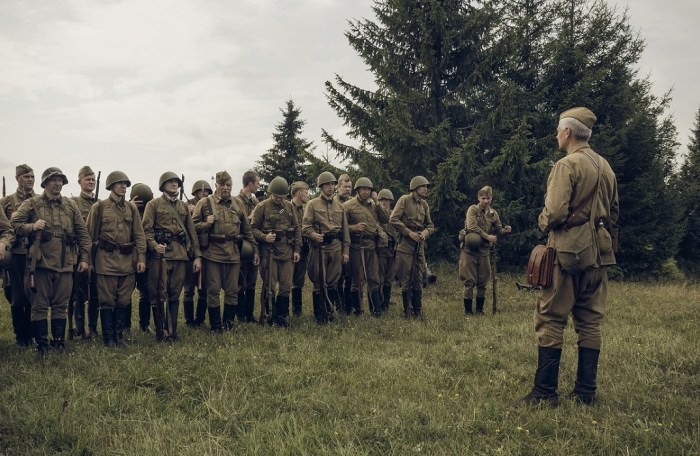
The evolution of warfare has been a continuous process marked by significant changes in military tactics, strategies, and technological advancements throughout history. These changes have been influenced by various factors such as societal developments, political motivations, and technological innovations.
Technological Advancements in Military Warfare
Technological advancements have played a crucial role in shaping the way wars are fought. One key example is the invention of gunpowder in ancient China, which revolutionized warfare by introducing firearms and cannons. This led to the decline of traditional melee combat and the rise of firepower on the battlefield. Another important advancement is the development of tanks during World War I, which changed the dynamics of ground warfare by introducing armored vehicles capable of crossing difficult terrains and providing heavy firepower.
- Introduction of gunpowder and firearms
- Development of tanks in World War I
Impact of Globalization on Modern Warfare Tactics
Globalization has significantly impacted modern warfare tactics by changing the nature of conflicts and introducing new challenges for military strategists. With the interconnectedness of the world, modern warfare is not limited to conventional battlefields but extends to cyber warfare, space warfare, and information warfare. The ability to launch attacks remotely and influence public opinion through media manipulation has become crucial in modern warfare.
- Rise of cyber warfare and information warfare
- Influence of media manipulation on public opinion
Notable Battles and Wars
Throughout history, key battles and major wars have played a significant role in shaping military strategies, influencing societies, and defining the course of nations.
Battle of Thermopylae
The Battle of Thermopylae, fought between the Greek city-states and the Persian Empire in 480 BC, showcased the importance of strategy, discipline, and bravery in warfare. Despite being vastly outnumbered, the Greeks, led by King Leonidas of Sparta, held off the Persian forces for several days at the narrow mountain pass of Thermopylae. This battle highlighted the effectiveness of defensive tactics and the impact of determined resistance on a larger, more powerful enemy.
World War II
World War II, which lasted from 1939 to 1945, had a profound impact on societies and nations worldwide. The conflict involved major powers and led to significant technological advancements in warfare, such as the development of nuclear weapons. The war also reshaped the geopolitical landscape, with the rise of superpowers like the United States and the Soviet Union. The devastation caused by World War II emphasized the need for international cooperation and the establishment of organizations like the United Nations to prevent future conflicts.
Battle of Stalingrad
The Battle of Stalingrad, fought between the Soviet Union and Nazi Germany from 1942 to 1943, was a turning point in World War II. The brutal urban warfare and high casualties on both sides demonstrated the importance of strategic planning, logistics, and resilience in modern warfare. The Soviet victory at Stalingrad marked the beginning of the end for the German forces on the Eastern Front and paved the way for the eventual defeat of the Axis powers.
Military Leaders and ers
Military leaders have played a crucial role in shaping the outcomes of battles and wars throughout history. Their decisions, strategies, and leadership styles have had a significant impact on the success or failure of military campaigns. Let’s dive into the roles and impact of influential military leaders, their leadership styles, and their relationship with the soldiers under their command.
Alexander the Great
- Alexander the Great, known for his military conquests, was a brilliant strategist who expanded his empire across Asia, Africa, and Europe.
- His leadership style was characterized by leading from the front, inspiring his soldiers through personal bravery and strategic planning.
- The close bond between Alexander and his soldiers was a key factor in their loyalty and willingness to follow him into battle, even in the face of great adversity.
Napoleon Bonaparte
- Napoleon Bonaparte, a military genius, rose to power in France and became one of the most successful military leaders in history.
- His leadership style was marked by decisiveness, quick thinking on the battlefield, and innovative military tactics.
- Napoleon’s ability to inspire his troops and instill confidence in them played a crucial role in his many victories on the battlefield.
Genghis Khan
- Genghis Khan, the founder of the Mongol Empire, was a fearsome military leader who united the Mongol tribes and conquered vast territories.
- His leadership style was characterized by strict discipline, effective organization of his army, and ruthless strategies against his enemies.
- Genghis Khan’s ability to command the loyalty and respect of his soldiers through both fear and rewards was instrumental in his military success.
Impact of Military History on Society
Military conflicts throughout history have had a profound impact on societal norms, values, and cultural heritage. The role of military institutions in shaping national identities cannot be understated, as they often serve as symbols of strength, unity, and resilience for a nation.
Influence on Societal Norms and Values
Military conflicts have played a significant role in shaping societal norms and values. They have often led to the redefinition of concepts such as honor, bravery, sacrifice, and loyalty. The stories of heroic deeds and sacrifices made during wars have been passed down through generations, influencing the values and beliefs of societies.
- Wars have promoted a sense of patriotism and national unity among citizens, emphasizing the importance of defending one’s country and upholding its values.
- Military conflicts have also highlighted the consequences of violence and the importance of diplomacy and conflict resolution in maintaining peace.
- The treatment of prisoners of war and civilians during conflicts has led to the development of international laws and conventions aimed at protecting human rights.
Role in Shaping National Identities
Military institutions have played a crucial role in shaping national identities by embodying the history, traditions, and values of a nation. The military often serves as a symbol of national pride and unity, representing the collective strength and resilience of a country.
- Victories in key battles and wars have been celebrated as defining moments in a nation’s history, shaping its identity and instilling a sense of national pride.
- Military leaders and heroes are revered as symbols of courage, leadership, and sacrifice, contributing to the formation of a national narrative and identity.
- The memorials, monuments, and traditions associated with military history serve as reminders of the sacrifices made by past generations and the values that unite a nation.
Connection with Cultural Heritage
Military history is closely intertwined with cultural heritage, as it reflects the values, traditions, and experiences of a society. The stories of battles, conquests, and alliances have been passed down through art, literature, and oral traditions, shaping the cultural identity of communities.
- Artistic representations of military conflicts, such as paintings, sculptures, and music, have provided a visual and emotional connection to the past, preserving the memory of significant events for future generations.
- Military traditions, rituals, and symbols have become an integral part of cultural heritage, reflecting the values, beliefs, and identities of societies around the world.
- The study of military history and heritage serves as a means of understanding the evolution of societies, their interactions with others, and the impact of conflicts on cultural development.
Society and Military Relations
Throughout history, the relationship between society and the military has been complex and multifaceted, shaping the course of nations and individuals. The impact of military service on individuals and communities, as well as the evolution of societal perceptions towards the military, have played significant roles in shaping our world.
Military Service Impact
One of the key aspects of society and military relations is the impact of military service on individuals and their communities. Serving in the military can have profound effects on individuals, shaping their values, beliefs, and sense of duty. It can also impact communities, bringing both pride and sacrifice as members serve their country.
Evolution of Societal Perceptions
Over time, societal perceptions of the military have evolved significantly. In the past, the military was often glorified and revered, seen as protectors of the nation. However, with the rise of anti-war movements and changing cultural norms, perceptions have shifted. The military is now often viewed with more nuance, with discussions on the ethics of war and the treatment of veterans becoming more prominent.
People in Military History
In the vast tapestry of military history, there are individuals whose contributions have left a lasting impact on the way wars were fought, decisions were made, and lives were changed. From fearless leaders to courageous soldiers, each person played a crucial role in shaping the course of history through their actions and sacrifices.
Key Figures in Military History
Throughout history, there have been iconic figures whose leadership and strategic brilliance have influenced the outcome of wars and battles. These individuals have inspired armies, led nations, and left a mark on the pages of history.
- Alexander the Great: Known for his conquests and military tactics, Alexander’s empire stretched from Greece to Persia, leaving a legacy of military innovation.
- Napoleon Bonaparte: A military genius who rose to power during the French Revolution, Napoleon’s conquests reshaped Europe and his strategies are studied to this day.
- Joan of Arc: A symbol of courage and determination, Joan of Arc led the French army to victory during the Hundred Years’ War, becoming a national hero in France.
Experiences During Times of War
War is not only fought by soldiers on the battlefield but also impacts civilians who are caught in the crossfire. The experiences of individuals during times of war are varied and often harrowing, showcasing the harsh realities of conflict.
- Soldiers: From the camaraderie of comrades in arms to the horrors of combat, soldiers experience a range of emotions and challenges that shape their lives forever.
- Civilians: Displaced, traumatized, and often left with nothing, civilians endure the destruction and chaos of war, facing unimaginable hardships as a consequence of conflict.
Impact on Individuals
The effects of military history ripple through the lives of individuals involved in conflicts, leaving scars that may never fully heal. From PTSD to physical injuries, the toll of war on individuals is profound and long-lasting.
- Psychological Trauma: The mental health impact of war can lead to depression, anxiety, and PTSD, affecting the daily lives of those who have witnessed the horrors of battle.
- Physical Injuries: Soldiers and civilians alike can suffer life-altering injuries during war, requiring long-term care and rehabilitation to cope with the aftermath of conflict.
Summary
As we conclude this journey through Military History and Impact, we are reminded of the profound influence wars have had on our world. From legendary battles to heroic leaders, the tapestry of history is woven with threads of valor and sacrifice.
Answers to Common Questions
How has Military History shaped modern societies?
Military History has played a crucial role in defining societal norms, values, and even national identities by showcasing the impact of conflicts on civilization.
What are some key technological advancements that revolutionized warfare?
Technological innovations like gunpowder, tanks, and aircraft have transformed the landscape of warfare, reshaping strategies and tactics.
How do military leaders influence battle outcomes?
Military leaders with their unique styles and strategies can turn the tide of battles, showcasing the importance of leadership in military history.