Embark on a journey into the world of Military Mental Health Support, where understanding, empathy, and resilience intersect to create a network of care and support for our military personnel.
As we delve deeper, we uncover the challenges, triumphs, and evolution of mental health support within the military. Let’s explore together!
Military Mental Health Support
Supporting the mental health of military personnel is crucial for their overall well-being and effectiveness in their roles. The unique challenges and stressors faced by those in the military can have a significant impact on their mental health, making it essential to provide appropriate support and resources.
Common Mental Health Issues in the Military
- Post-Traumatic Stress Disorder (PTSD): Often triggered by traumatic events experienced during deployment, PTSD can have long-lasting effects on a service member’s mental health.
- Depression and Anxiety: The high-stress environment of the military can contribute to the development of depression and anxiety disorders among personnel.
- Substance Abuse: Some military personnel may turn to substances like alcohol or drugs as a way to cope with the pressures they face, leading to substance abuse issues.
Challenges of Providing Mental Health Support in a Military Setting
- Stigma: There may be a stigma surrounding mental health issues in the military, making it challenging for service members to seek help without fear of judgment.
- Access to Care: Deployed personnel or those in remote locations may have limited access to mental health services, hindering their ability to receive timely support.
- High Demand: The high demand for mental health services in the military can strain resources and lead to long wait times for service members seeking help.
Effective Mental Health Support Programs for the Military
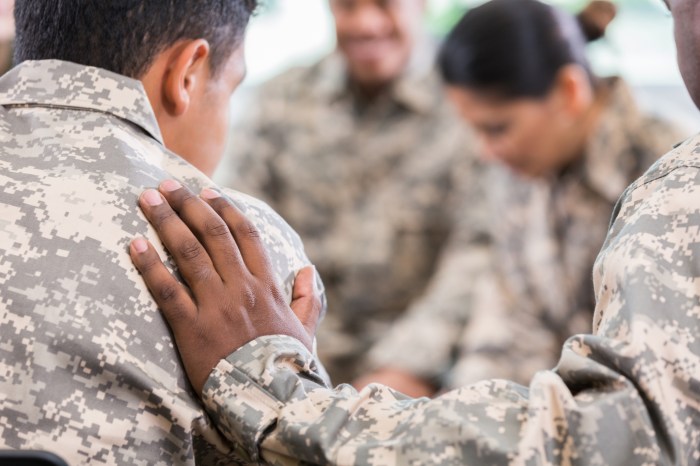
- Peer Support Programs: Peer support programs can provide service members with a safe space to discuss their mental health challenges with others who have had similar experiences.
- Counseling and Therapy Services: Offering accessible counseling and therapy services can help service members address and manage their mental health issues effectively.
- Resilience Training: Providing resilience training can help military personnel develop coping strategies and build mental toughness to navigate the challenges they face.
Society History

Military mental health support has evolved significantly over history, reflecting changes in societal attitudes and responses to the mental health needs of military personnel. Throughout different time periods, the approach towards mental health in the military has shifted, influenced by various historical events and the understanding of mental health issues.
Evolution of Military Mental Health Support
- Early History: In ancient times, mental health issues in the military were often misunderstood or ignored, with soldiers facing stigma and harsh treatment for showing signs of psychological distress.
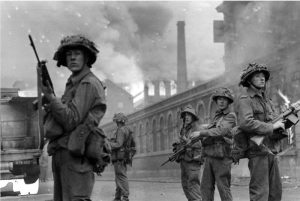
- World Wars: The devastating impact of World War I and World War II highlighted the urgent need for mental health support for soldiers, leading to the establishment of specialized programs and services.
- Korean and Vietnam Wars: These conflicts further emphasized the importance of addressing mental health concerns among military personnel, with advancements in treatments and approaches to combat-related trauma.
- Post-9/11 Era: The wars in Iraq and Afghanistan brought a renewed focus on mental health support, with increased awareness of conditions like PTSD and efforts to reduce the stigma associated with seeking help.
Societal Attitudes Towards Military Mental Health
- Stigma and Denial: Historically, mental health issues in the military were often stigmatized, viewed as a sign of weakness, and soldiers were discouraged from seeking help.
- Shift Towards Awareness: Over time, societal attitudes have gradually changed, recognizing the psychological toll of military service and the importance of providing comprehensive mental health support.
- Advocacy and Support: Organizations and advocacy groups have played a crucial role in promoting mental health awareness in the military and advocating for improved services and resources.
Impact of Historical Events on Mental Health Support
- Wars and Conflicts: The experiences of soldiers in wars and conflicts have significantly shaped mental health support, leading to the development of specialized treatments and interventions for combat-related trauma.
- Medical Advancements: Scientific advancements in understanding mental health conditions have also influenced the evolution of mental health support in the military, with a focus on evidence-based practices.
- Policies and Reforms: Changes in military policies and reforms have been driven by historical events, aiming to better address the mental health needs of service members and veterans.
SOCIETY MILITARY
In the military, mental health support systems vary between different branches, each with its own approach to addressing the mental well-being of their personnel. The role of military leadership is crucial in promoting mental health awareness and ensuring that resources are available for those in need of assistance.
Comparison of Mental Health Support Systems
- The Army: The Army has embedded mental health professionals within units to provide immediate support to soldiers. They also offer counseling services and access to psychiatric care.
- The Navy: The Navy provides mental health services through Fleet and Family Support Centers, offering counseling, therapy, and support groups for sailors and their families.
- The Air Force: The Air Force emphasizes mental health education and prevention programs, along with providing confidential counseling services for airmen.
- The Marines: The Marines have the Marine Corps Community Services which offer mental health resources, counseling, and support for Marines and their families.
Role of Military Leadership
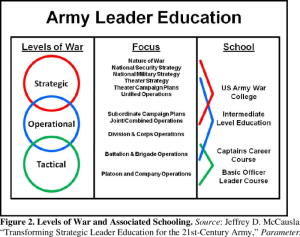
- Military leadership plays a crucial role in promoting mental health awareness by creating a culture that destigmatizes seeking help for mental health issues.
- Leadership can encourage open communication, provide training on recognizing signs of mental health issues, and ensure that resources are readily available for those in need.
- By setting an example of prioritizing mental health and well-being, military leaders can help reduce barriers to seeking help and create a supportive environment for all personnel.
Available Resources for Military Personnel
- Counseling Services: Military personnel have access to confidential counseling services through military treatment facilities, chaplains, or mental health professionals embedded within their units.
- Hotlines and Helplines: There are helplines and hotlines available 24/7 for military personnel to reach out for immediate support and assistance.
- Peer Support Programs: Many branches of the military have peer support programs where trained peers provide support and guidance to those experiencing mental health challenges.
- Mental Health Education: The military provides education and training on mental health awareness, self-care strategies, and resources available for seeking help.
SOCIETY PEOPLE
Military-related mental health issues not only affect the individuals serving in the armed forces but also have a profound impact on their family members and society as a whole. The stress, trauma, and emotional challenges faced by military personnel can often spill over into their relationships with loved ones, leading to strained dynamics and additional burdens on family members. This can result in feelings of isolation, helplessness, and confusion for those trying to support their military loved ones through their mental health struggles.
Impact on Family Members and Society
- Family members of military personnel dealing with mental health issues may experience increased stress, anxiety, and emotional strain as they try to provide support and understanding.
- Children of service members may struggle with feelings of abandonment, fear, and confusion when a parent is dealing with mental health challenges, impacting their overall well-being and development.
- Communities that have a significant military presence may also feel the effects of mental health issues among service members, leading to social issues, economic strain, and a need for increased support services.
Stigma in the Military Community
- There is a pervasive stigma in the military community surrounding seeking mental health support, with many service members fearing judgment, career implications, or perceptions of weakness if they acknowledge their struggles.
- This stigma can prevent individuals from getting the help they need, leading to a cycle of suffering in silence and potentially worsening mental health conditions.
- It is crucial to address and break down this stigma through education, awareness, and destigmatization efforts to ensure that military personnel feel empowered to seek the support they deserve.
Success Stories of Military Mental Health Support
- John, a former Marine, struggled with PTSD after returning from a deployment. Through therapy and support programs offered by the military, he was able to manage his symptoms, reconnect with his family, and find a sense of peace.
- Sarah, an Air Force veteran, experienced depression and anxiety after leaving the service. With the help of a mental health counselor specializing in military transitions, she was able to navigate her challenges and build a successful civilian life.
- Mark, a current Army soldier, faced stigma from his peers when he sought help for his PTSD. However, after receiving treatment and sharing his story openly, he inspired others in his unit to prioritize their mental health as well.
Final Conclusion
In conclusion, Military Mental Health Support stands as a beacon of hope, strength, and solidarity for those who serve. Let’s continue to advocate, support, and uplift our brave heroes in their mental health journey.
Detailed FAQs
What types of mental health issues are common among military personnel?
Common mental health issues include PTSD, depression, anxiety, and substance abuse.
How has mental health support in the military evolved over time?
Mental health support has evolved from stigma to recognition, with more emphasis on proactive care and destigmatization.
What role does military leadership play in promoting mental health awareness?
Military leadership plays a crucial role in fostering a culture of mental health awareness, support, and seeking help without judgment.