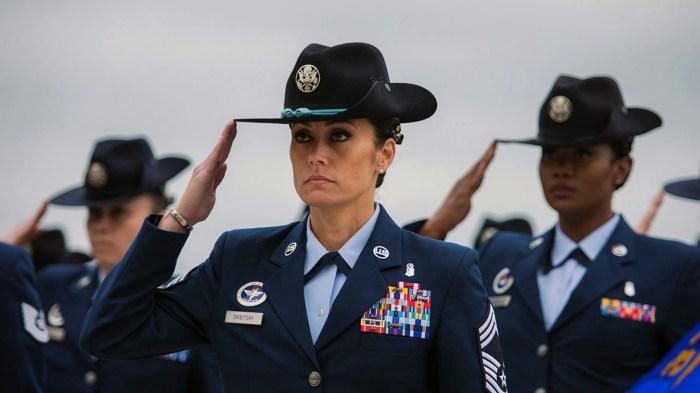
Step into the world of Women in the Military where history, challenges, and remarkable contributions intertwine to paint a vivid picture of resilience and strength. Get ready for a captivating journey through time and society’s impact on the brave women who serve.
Women in the Military
Women have a long history of serving in the military, although their roles have evolved over time. From ancient civilizations to modern-day armed forces, women have made significant contributions to military operations despite facing numerous challenges.
Historical Evolution of Women’s Roles in the Military
Throughout history, women have played various roles in the military, often disguised as men to serve in combat. During World War I and World War II, women served as nurses, clerks, and in other support roles. It wasn’t until the late 20th century that women were officially allowed to serve in combat positions in many countries.
Challenges Faced by Women in the Military
Women in the military have faced discrimination, harassment, and unequal treatment compared to their male counterparts. They have had to prove themselves repeatedly to gain respect and recognition for their capabilities. Balancing military duties with family responsibilities has also been a major challenge for many women in the military.
Contributions of Women in the Military
Despite the challenges they have faced, women have made significant contributions to the military throughout history. They have served with bravery and dedication in various roles, from combat positions to leadership positions. Women have proven themselves to be just as capable as men in serving their countries and defending their nations.
Society History

In the context of women in the military, societal norms and perceptions have played a significant role in shaping the participation of women in military roles. Throughout history, cultural shifts and historical events have influenced how women are viewed in the military.
Influence of Societal Norms
- Societal norms have traditionally dictated that women should be caretakers and homemakers, rather than warriors. This belief has resulted in limited opportunities for women to serve in the military.
- Gender stereotypes have perpetuated the idea that men are better suited for combat roles, while women are seen as less capable. These biases have hindered the acceptance of women in military positions.
- Historically, women were often excluded from combat roles due to the perception that they were physically weaker and less capable of handling the demands of warfare.
Impact of Cultural Shifts
- As societies have evolved, there has been a gradual shift in cultural attitudes towards gender roles and equality. This shift has led to greater acceptance of women in traditionally male-dominated fields, including the military.
- Changing cultural norms have allowed for the recognition of women’s capabilities and contributions in the military, leading to increased opportunities for women to serve in combat roles.
- The integration of women into the military has been a reflection of broader societal changes towards gender equality and inclusivity.
Historical Events and Societal Views
- Historical events such as World War II and the Vietnam War highlighted the valuable contributions of women in support roles within the military. These experiences challenged traditional gender roles and paved the way for increased acceptance of women in the armed forces.
- The gradual integration of women into combat roles in recent decades has been influenced by a reevaluation of traditional beliefs about women’s capabilities and roles in society.
- Public perception of women in the military has evolved over time, shaped by the experiences of female service members and the changing demands of modern warfare.
Society Military
Women serving in the military are subject to specific policies and regulations that dictate their roles, opportunities, and advancement within the armed forces. These regulations have evolved over time to address gender equality and ensure that women have equal access to military service.
Policies and Regulations for Women in the Military
- Women are now allowed to serve in combat roles, following the lifting of the ban on women in combat in 2015.
- There are still restrictions on certain roles and units, but efforts are being made to increase opportunities for women in all branches of the military.
- Sexual harassment and discrimination policies have been implemented to protect women in the military and address any misconduct.
Roles and Opportunities for Women in Different Branches
- In the Army, women can serve in various combat and non-combat roles, including infantry, artillery, and logistics.
- The Navy offers opportunities for women in areas such as aviation, surface warfare, and submarine service.
- The Air Force provides roles in piloting, engineering, intelligence, and support services for women.
Representation of Women in Leadership Positions
- While progress has been made, women are still underrepresented in leadership positions within the military.
- Efforts are being made to increase the number of women in senior ranks and leadership roles to promote diversity and gender equality.
- Having more women in leadership positions can help create a more inclusive and diverse military culture.
Society People
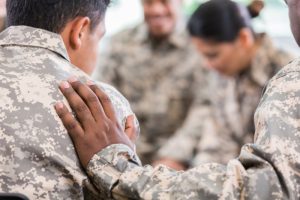
Women in the military often rely on support systems to navigate the unique challenges they face in their service.
Support Systems for Women in the Military
- Women veterans organizations provide a sense of community and understanding for female service members.
- Military sexual trauma counselors offer specialized support for women who have experienced assault or harassment.
- Mentorship programs connect female service members with experienced mentors who can offer guidance and advice.
Experiences of Women Veterans Transitioning Back to Civilian Life
- Many women veterans face challenges reintegrating into civilian life, including finding employment and accessing healthcare.
- Transition assistance programs help women veterans navigate the process of returning to civilian life and finding resources for their needs.
- Some women veterans struggle with mental health issues, such as PTSD, and may require specialized support to cope with their experiences.
Public Perception of Women in the Military
- Public perception of women in the military has evolved over time, but stereotypes and biases still exist.
- Media representation of women in the military can influence public opinion and shape societal attitudes towards female service members.
- Positive portrayals of women in the military can help challenge stereotypes and highlight the valuable contributions women make to the armed forces.
Ultimate Conclusion
As we conclude our exploration of Women in the Military, we are left in awe of the courage and dedication displayed by these remarkable individuals. Their stories remind us of the importance of equality and recognition in all aspects of society.
Frequently Asked Questions
Can women serve in combat roles in the military?
Yes, women have been allowed to serve in combat roles since 2015 when the ban was lifted.
Are there any specific challenges faced by women veterans?
Women veterans often struggle with accessing proper healthcare and facing gender-based discrimination in the military and civilian life.
How has the representation of women in leadership positions in the military changed over time?
While progress has been made, there is still a lack of women in top leadership positions in the military.