Step into the realm of democracy as we unravel its fascinating journey through time, exploring its origins, evolution, and profound impact on societies worldwide. Get ready for an engaging exploration of The History of Democracy!
Delve deeper into the historical timeline and witness the transformative power that democratic principles have wielded over the centuries.
The History of Democracy
Democracy, originating from the Greek words “demos” (people) and “kratos” (rule), first emerged in ancient Greece as a system of governance where citizens had a say in decision-making. Over time, democracy has evolved and spread to various parts of the world, shaping the political landscape.
Origins of Democracy
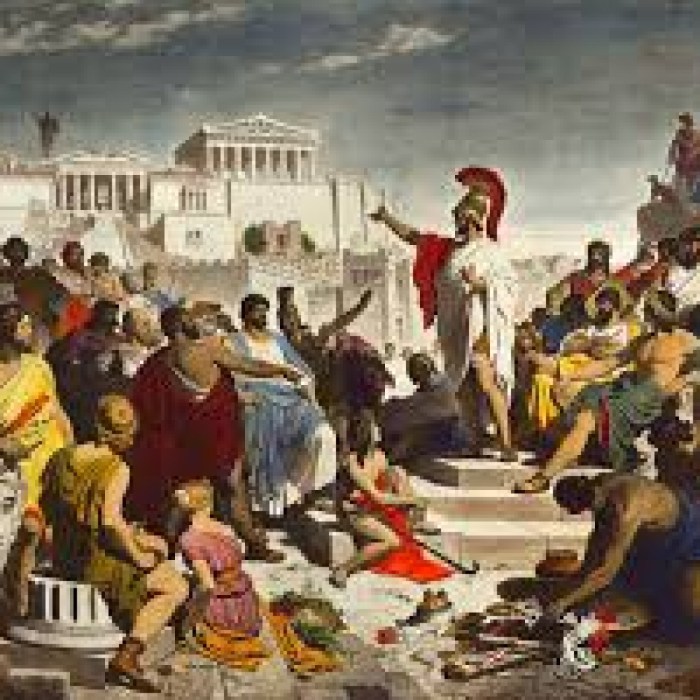
In ancient Athens, democracy took root in the 5th century BC, with reforms by Cleisthenes and the establishment of the world’s first democratic government. Citizens participated in the Assembly, where they could vote on laws and policies, laying the foundation for democratic principles.
Key Figures in Democratic History
Prominent figures like Pericles, known for his leadership during Athens’ Golden Age, and Solon, who introduced democratic reforms in ancient Athens, played crucial roles in shaping democratic ideals. Their contributions influenced the development of democratic systems worldwide.
Impact of Democracy on Societies
Democracy has had a profound impact on societies throughout history, promoting individual rights, equality, and participation in governance. The spread of democratic principles has led to movements for civil rights, women’s suffrage, and the protection of minority groups, fostering inclusive and representative governments.
Society History
Democracy has played a crucial role in shaping societal structures and norms throughout history. Let’s explore some examples of ancient societies that practiced early forms of democracy and how it influenced governance systems and values.
Ancient Societies Practicing Early Democracy
- Athens, Greece: Ancient Athens is often considered the birthplace of democracy, where citizens had the right to participate in decision-making processes.
- Rome, Italy: The Roman Republic established a system of government where elected representatives had a say in governance, laying the foundation for democratic principles.
- Iroquois Confederacy: Native American tribes in North America, such as the Iroquois, practiced a form of consensus-based decision-making that influenced democratic ideals.
Influence on Societal Structures and Norms
- Democracy promoted the idea of equality and participation among citizens, leading to the development of laws and institutions that safeguarded individual rights.
- It encouraged civic engagement and debate, fostering a culture of dialogue and compromise in resolving conflicts and making collective decisions.
- Democracy challenged traditional hierarchies and centralized power structures, promoting decentralization and greater accountability among leaders.
Society Military
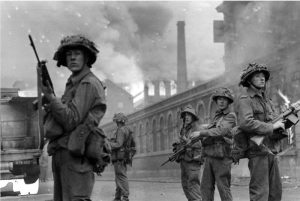
In historical contexts, the relationship between democracy and military forces has been a complex one, shaped by various influences and factors.Democratic principles have often played a significant role in influencing military strategies and decisions, as the will of the people and the values of democracy have impacted how military operations are carried out.
Impact on Military Leadership
- Democracy can lead to a more transparent and accountable military leadership, as decisions are often made with the input and consent of the populace.
- Leaders in democratic societies may face pressure to justify military actions and engage in open dialogue with the public regarding military operations.
- Democratic principles can also influence the recruitment and training of military personnel, emphasizing the importance of human rights and ethical conduct.
Democratic Wars
- Historically, democracies have been more likely to engage in wars that are seen as just and in defense of democratic values, such as freedom and self-determination.
- Public support for military interventions in democratic societies is often contingent on the perceived alignment of military actions with democratic principles.
- Democratic decision-making processes can sometimes lead to delays in military responses, as debates and discussions are held to ensure the legitimacy and necessity of military actions.
Society People

In the history of democracy, ordinary citizens have played a crucial role in shaping the democratic processes and institutions that we see today. Their participation, activism, and demands for representation have been instrumental in driving democratic reforms and progress.
Involvement of Ordinary Citizens
Throughout history, ordinary citizens have actively participated in democratic processes through various means such as voting, protests, advocacy, and grassroots movements. Their engagement has been essential in holding governments accountable and ensuring that the voices of the people are heard.
Contributions of Individuals
Individuals such as suffragettes, civil rights leaders, and social reformers have made significant contributions to promoting democratic ideals and pushing for reforms. Their courage, activism, and dedication have paved the way for greater inclusivity, equality, and justice within democratic societies.
Impact of Societal Diversity
The diversity within societies has had a profound impact on the development and sustainability of democratic systems. Different perspectives, backgrounds, and experiences contribute to a more vibrant and inclusive democracy, where a wide range of voices can be heard and represented.
Closure
As we conclude our enlightening discussion on The History of Democracy, remember that the evolution of democratic ideals continues to shape our world today, reminding us of the enduring legacy of this influential system of governance. Dive into the depths of history and emerge with a newfound appreciation for the democratic journey we all share.
Query Resolution
How did democracy first emerge?
Democracy first emerged in ancient Greece, particularly in Athens, as a system where citizens had a direct say in decision-making.
What historical events influenced the development of democracy?
Events like the Magna Carta, the American Revolution, and the French Revolution played pivotal roles in shaping democratic principles.
How has democracy influenced military decisions?
Democracy has influenced military decisions by promoting transparency, accountability, and sometimes requiring public approval for military actions.
What role do ordinary citizens play in democratic processes?
Ordinary citizens play a crucial role in democratic processes by voting, participating in civic activities, and holding elected officials accountable.
How does societal diversity impact democratic societies?
Societal diversity enriches democratic societies by bringing varied perspectives, experiences, and ideas to the table, fostering inclusivity and tolerance.