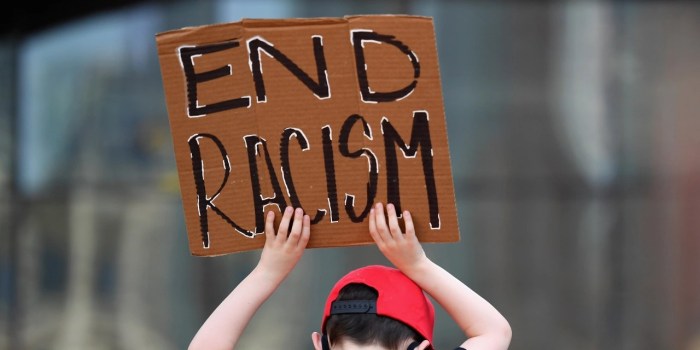
Step into the future of social justice movements in 2025, where key issues are tackled with the help of technology and a global perspective. Dive into the intersectionality of various movements shaping a more equitable society.
From historical roots to current challenges, explore how these movements have evolved and continue to impact our world today.
Social Justice Movements 2025
In 2025, social justice movements are actively fighting for a variety of key issues aimed at creating a more equitable and inclusive society. These movements are advocating for racial justice, gender equality, LGBTQ+ rights, environmental sustainability, economic justice, and more.
Role of Technology in Advancing Social Justice Causes
Technology plays a crucial role in advancing social justice causes in 2025. From using social media platforms for organizing protests and raising awareness to leveraging data analytics for identifying systemic inequalities, technology has become a powerful tool for activists. Additionally, advancements in artificial intelligence and machine learning have enabled the development of innovative solutions to address social injustices.
Impact of Globalization on the Evolution of Social Justice Movements
Globalization has significantly impacted the evolution of social justice movements in 2025. The interconnectedness of the world has allowed activists to collaborate across borders, share resources, and amplify their messages on a global scale. However, globalization has also led to challenges such as the exploitation of marginalized communities in the global south by multinational corporations, requiring social justice movements to address issues of economic inequality on a global level.
Intersectionality of Different Social Justice Movements
In 2025, social justice movements are increasingly recognizing the importance of intersectionality, which acknowledges that individuals can experience multiple forms of oppression simultaneously. Movements are working towards solidarity and collaboration among diverse groups, understanding that issues of race, gender, sexuality, and class are interconnected. This intersectional approach allows for a more comprehensive and inclusive advocacy for social justice in 2025.
Society History
Social justice movements have deep historical roots that date back centuries, with the fight for equality and fairness being a constant struggle throughout different eras. These movements have evolved over time, adapting to changing societal norms and challenges.
Historical Roots of Social Justice Movements
- The abolitionist movement in the 19th century fought against slavery and laid the groundwork for future social justice movements.
- The civil rights movement in the 1960s, led by figures like Martin Luther King Jr., aimed to end racial segregation and discrimination.
- The women’s suffrage movement fought for women’s right to vote and equal rights in the early 20th century.
Key Milestones in Social Justice Activism
- The Stonewall Riots in 1969 sparked the LGBTQ+ rights movement and brought visibility to the struggles of the community.
- The Black Lives Matter movement, founded in 2013, has brought attention to police brutality and racial injustice.
- The #MeToo movement, which gained momentum in 2017, shed light on the prevalence of sexual harassment and assault.
Comparison with Social Justice Movements in 2025
- In 2025, social justice movements continue to address systemic inequalities, including racial, gender, and economic disparities.
- New technologies and social media platforms have played a significant role in organizing and spreading awareness for social justice causes.
- There is a growing intersectionality in social justice movements, recognizing the interconnected nature of various forms of oppression.
Impact of Historical Events on Current Movements
- The lessons learned from past struggles have informed the strategies and tactics of current social justice movements.
- Historical events have inspired and empowered activists to continue fighting for a more just and equitable society.
- The progress made by previous movements serves as a reminder of the long-term commitment needed to achieve lasting social change.
SOCIETY MILITARY
In 2025, the relationship between social justice movements and the military is a complex and evolving one. The role of the military in addressing social justice issues within society has been a topic of debate and discussion. Military policies have a significant impact on social justice movements, shaping the environment in which they operate. There is a potential for collaboration between social justice movements and the military to bring about positive societal change.
Military Involvement in Social Justice
The military, as an institution with significant power and influence, plays a crucial role in addressing social justice issues within society. From promoting diversity and inclusion within its ranks to participating in community outreach programs, the military can have a positive impact on advancing social justice causes. By addressing issues such as discrimination, inequality, and systemic biases within its own structures, the military can set an example for society as a whole.
Impact of Military Policies
Military policies can have a direct impact on social justice movements. For example, policies related to recruitment, promotion, and disciplinary actions can either promote or hinder diversity and equal opportunities within the military. Moreover, decisions related to military interventions, deployments, and engagements can have far-reaching consequences on marginalized communities both domestically and internationally. It is essential for the military to consider the social justice implications of its policies and actions.
Collaborations for Societal Change
There is a growing recognition of the potential for collaborations between social justice movements and the military to bring about positive societal change. By working together on issues such as racial equality, gender equity, and human rights, both groups can leverage their respective strengths and resources to create meaningful impact. Through dialogue, cooperation, and mutual respect, social justice movements and the military can foster a more just and inclusive society for all.
SOCIETY PEOPLE
In the realm of social justice movements, ordinary people play a crucial role in driving change and progress. Their passion, dedication, and collective efforts have the power to shape society’s views and bring about meaningful transformations.
Individual Contributions
- One inspiring example of an individual making a significant contribution to social justice causes is Malala Yousafzai, a Pakistani activist advocating for girls’ education. Despite facing threats and violence, she continues to be a powerful voice for change.
- Another notable figure is Nelson Mandela, whose fight against apartheid in South Africa led to his imprisonment but eventually resulted in the dismantling of the unjust system and the establishment of a democratic society.
Importance of Grassroots Activism
Grassroots activism plays a vital role in shaping society’s view on social justice by mobilizing local communities, raising awareness, and demanding accountability from those in power. It empowers individuals to become agents of change and fosters a sense of unity and solidarity among like-minded individuals.
Challenges Faced by Marginalized Communities
- Marginalized communities often face obstacles such as lack of resources, systemic discrimination, and limited access to platforms where their voices can be heard. This hinders their full participation in social justice movements and perpetuates inequality.
- Furthermore, marginalized individuals may also face backlash, violence, and intimidation for speaking out against injustices, making it even more challenging for them to actively engage in advocacy efforts.
Final Thoughts
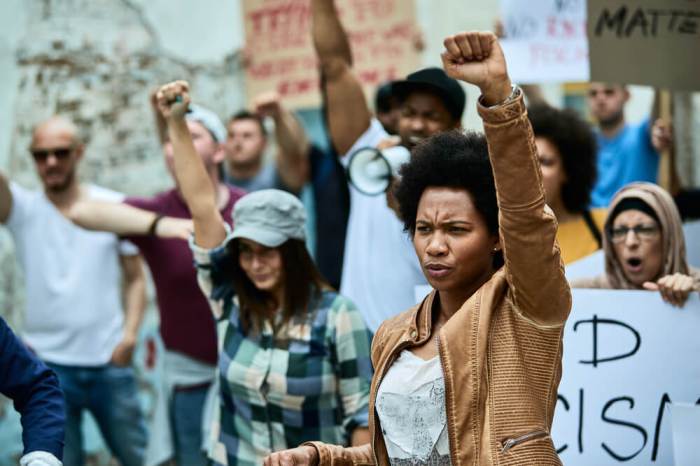
As we wrap up our journey through Social Justice Movements 2025, remember the vital role of ordinary people in driving change and the importance of collaboration across different sectors for a more just future.
FAQs
What are the key issues social justice movements are fighting for in 2025?
In 2025, social justice movements are focusing on addressing issues like systemic racism, income inequality, climate change, LGBTQ+ rights, and gender equality.
How does technology play a role in advancing social justice causes?
Technology aids in amplifying voices, organizing protests, and raising awareness about social justice issues on a global scale.
What is the intersectionality of different social justice movements in 2025?
In 2025, various movements collaborate to address overlapping issues, recognizing that social injustices are interconnected and require collective efforts for meaningful change.