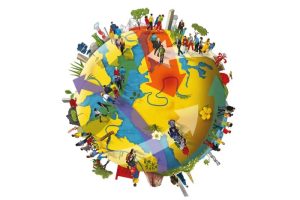
With Social Media Impact on People at the forefront, get ready to dive into how social media has revolutionized communication and influenced personal relationships in ways you never imagined. Brace yourself for a rollercoaster of insights and surprises!
Let’s explore the profound impact of social media on mental health, self-esteem, and body image, unveiling the intricate web of connections between virtual interactions and real-life experiences.
Social Media Impact on People
Social media has revolutionized the way people communicate, connect, and share information with each other. It has become an integral part of daily life for many, influencing various aspects of society.
Changes in Communication
Social media platforms have transformed the way people interact and communicate, breaking down geographical barriers and allowing instant communication across the globe. From sharing personal updates to engaging in group discussions, social media has made communication more accessible and convenient.
Influence on Mental Health
Social media can have both positive and negative impacts on mental health and well-being. While it can provide a sense of connection and support, excessive use can lead to feelings of isolation, anxiety, and depression. The constant comparison to others’ highlight reels can also contribute to low self-esteem and negative self-perception.
Role in Shaping Personal Relationships
Social media plays a significant role in shaping personal relationships, allowing people to stay connected with friends and family members regardless of distance. It also enables the formation of new relationships through online communities and dating platforms. However, it can also lead to misunderstandings, conflicts, and the blurring of boundaries in relationships.
Impact on Self-Esteem and Body Image
Social media’s emphasis on appearance and lifestyle can have a profound impact on self-esteem and body image. The constant exposure to carefully curated images and unrealistic standards can create feelings of inadequacy and dissatisfaction with one’s own body. This can lead to unhealthy behaviors such as excessive dieting, exercise, and cosmetic procedures in pursuit of an unattainable ideal.
Society History
The history of society plays a crucial role in shaping the norms, values, and cultural practices that define a community. Understanding how past events have influenced the development of societies can provide valuable insights into the current social landscape.
Evolution of Societal Norms
- Throughout history, societal norms have evolved in response to various events such as wars, revolutions, and technological advancements.
- The Industrial Revolution, for example, led to significant changes in societal structures, shifting economies from agrarian to industrial.
- The Civil Rights Movement in the 1960s sparked a revolution in societal norms, leading to increased awareness and advocacy for equality and social justice.
Role of Societal History
- Studying societal history helps us understand the origins of cultural practices and traditions that are still prevalent today.
- By examining historical events and their impact on society, we can gain a deeper appreciation for the complexities of human interaction and behavior.
Impact of Historical Revolutions
- The French Revolution, for instance, played a pivotal role in shaping modern concepts of democracy and individual rights.
- The Women’s Suffrage Movement fought for and achieved voting rights for women, forever altering the political landscape.
- The Civil Rights Movement in the United States paved the way for greater equality and social justice for marginalized communities.
Society Military
Military forces have played a crucial role in shaping societies throughout history. From ancient civilizations to modern nations, the military has been instrumental in maintaining order, protecting borders, and defending against external threats.Wars and conflicts have had a significant impact on societal structures. They have led to the rise and fall of empires, the redistribution of power, changes in cultural norms, and shifts in economic systems.
The aftermath of wars often includes rebuilding efforts, reconciliation processes, and the establishment of new political systems.The role of the military in maintaining social order and security cannot be overstated. Military forces are responsible for upholding the rule of law, protecting citizens from internal and external threats, and ensuring the stability of the government. In times of crisis, such as natural disasters or civil unrest, the military is often called upon to provide support and maintain peace.Military technologies have greatly influenced societal development.
Advancements in weaponry, communication systems, transportation, and surveillance have not only changed the way wars are fought but have also had a profound impact on civilian life. Technologies developed for military purposes often find applications in other sectors, leading to innovation and progress in various fields.
Military Innovations
- Gunpowder: The invention of gunpowder revolutionized warfare and had a lasting impact on military tactics and strategies.
- Radar technology: Radar systems developed for military use have been adapted for civilian applications such as weather forecasting and air traffic control.
- Drones: Unmanned aerial vehicles have transformed military operations and are now used for surveillance, reconnaissance, and even delivery services.
- Cybersecurity: The military plays a crucial role in defending against cyber threats, safeguarding critical infrastructure, and ensuring the security of digital communications.
Society People
Social dynamics within a society are greatly influenced by the diversity of its demographics. The unique backgrounds, beliefs, and experiences of individuals play a crucial role in shaping community interactions and overall cohesion.
Individuals Driving Social Change
Individuals have historically played a significant role in driving social change and progress within societies. From civil rights activists like Martin Luther King Jr. to environmental advocates like Greta Thunberg, prominent figures have inspired movements and brought about meaningful change through their actions and advocacy.
- Activists and Advocates: Individuals who dedicate their lives to advocating for social justice, equality, and environmental sustainability often lead movements that spark change within society.
- Community Leaders: Local leaders and influencers within communities can also play a crucial role in addressing social issues and promoting positive change.
- Celebrities and Public Figures: Influential figures in the media and entertainment industry have the power to amplify important social causes and raise awareness on a global scale.
Influence of Prominent Figures
Prominent figures, whether in politics, entertainment, or other fields, have a significant impact on shaping societal narratives and influencing public opinion. Their words and actions can inspire millions of people and drive conversations around important social issues.
“The only way to make sense out of change is to plunge into it, move with it, and join the dance.”
Alan Watts
Cultural Diversity and Societal Integration
Cultural diversity within a society enriches its fabric and fosters a sense of unity among its members. Embracing different cultural traditions, languages, and perspectives promotes tolerance, understanding, and mutual respect, leading to stronger societal cohesion and integration.
- Multiculturalism: Societies that celebrate and embrace cultural diversity often experience greater social harmony and collaboration among diverse groups.
- Interconnected Communities: Cultural exchange and interaction between different ethnic and cultural groups contribute to a shared sense of identity and belonging within society.
- Inclusive Policies: Implementing inclusive policies that recognize and respect the cultural heritage of all individuals helps build a more cohesive and integrated society.
Summary
As we wrap up our journey through the realm of Social Media Impact on People, remember that the digital world holds immense power to shape our perceptions and relationships. Stay mindful of the effects and navigate the social media landscape with a discerning eye.
FAQ Summary
How has social media changed the way people communicate?
Social media has transformed communication by providing instant connection, global reach, and diverse platforms for interaction.
What is the influence of social media on mental health and well-being?
Social media can impact mental health through comparison, cyberbullying, and addiction, highlighting the need for digital mindfulness.
How does social media shape personal relationships?
Social media influences relationships by fostering communication, creating virtual intimacy, and posing challenges like online misunderstandings.
What is the impact of social media on self-esteem and body image?
Social media affects self-esteem by promoting unrealistic standards, body comparison, and the culture of likes and validation.