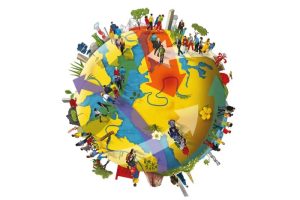
Step into the bustling world of Urbanization and People’s Lifestyles, where the cityscape molds the way we live, think, and interact. From impactful changes to intriguing cultural shifts, this topic is a fascinating journey waiting to be explored.
As we unravel the intertwined relationship between urbanization and people’s lifestyles, get ready for a deep dive into how our surroundings shape who we are and how we live our lives.
Urbanization and People’s Lifestyles
Urbanization has a profound impact on people’s lifestyles, bringing about significant changes in how individuals live, work, and interact with one another. As more people move to urban areas in search of better opportunities and improved quality of life, the dynamics of society undergo a transformation that influences various aspects of daily living.
Changes in Lifestyle Due to Urbanization
One of the most noticeable changes in lifestyle resulting from urbanization is the shift towards a more fast-paced and hectic way of life. In urban areas, individuals often find themselves caught up in the hustle and bustle of city living, leading to increased stress levels and a greater emphasis on efficiency and productivity.
- Increased reliance on technology: Urbanization has led to a greater dependence on technological devices and digital platforms for communication, work, and entertainment.
- Changes in housing and living arrangements: The rise of urbanization has brought about a shift towards smaller living spaces, such as apartments and condominiums, as well as a trend towards co-living arrangements to accommodate the growing urban population.
- Shift in transportation preferences: With the congestion and traffic challenges in urban areas, there has been a move towards alternative modes of transportation, such as public transit, biking, and ride-sharing services.
Relationship Between Urbanization and Cultural Shifts in People’s Lifestyles
Urbanization not only influences the physical environment but also plays a significant role in shaping cultural norms, values, and behaviors. As people from diverse backgrounds come together in urban settings, there is a blending of traditions, customs, and practices that contribute to the evolution of a unique urban culture.
- Food and culinary trends: Urban areas become melting pots of culinary diversity, with a wide range of cuisines and dining options reflecting the multicultural nature of the population.
- Art and entertainment: Urbanization fosters a vibrant arts and entertainment scene, with opportunities for creative expression and cultural exchange through galleries, theaters, music venues, and festivals.
- Social interactions and community engagement: Urban living encourages networking, collaboration, and community involvement, leading to the formation of social connections and support systems that enrich people’s lives.
Society History

Human societies have been shaped by a multitude of historical events and cultural influences throughout the ages. These events have played a crucial role in determining societal structures, norms, and values that we see today. Let’s delve into the evolution of societies over time and the impact of past civilizations on modern-day social norms.
Influence of Ancient Civilizations
- Ancient Mesopotamia: The invention of writing and the development of complex social hierarchies laid the foundation for organized societies.
- Ancient Greece: The birthplace of democracy and philosophy, which have had a lasting impact on modern political systems and intellectual thought.
- Roman Empire: The establishment of laws, infrastructure, and governance structures that have influenced modern legal systems and administrative practices.
Medieval Societal Structures
- Feudalism: The feudal system of the Middle Ages shaped social classes and land ownership, creating a hierarchical society based on loyalty and land tenure.
- The Crusades: These religious wars between Christians and Muslims had a profound impact on cultural exchange, trade routes, and religious beliefs.
- The Renaissance: A period of cultural rebirth in Europe that emphasized humanism, art, and scientific discovery, leading to advancements in various fields.
Modern Societal Changes
- Industrial Revolution: The shift from agrarian economies to industrialized urban centers transformed social structures, work patterns, and living conditions.
- World Wars: The devastation of two world wars reshaped global politics, economies, and social norms, leading to the establishment of international organizations and human rights movements.
- Technological Revolution: The digital age has revolutionized communication, commerce, and social interactions, creating new challenges and opportunities for societies worldwide.
Society Military
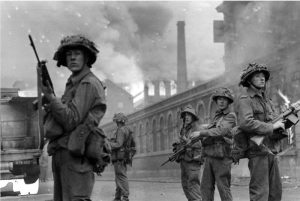
In many societies, the military plays a crucial role in shaping societal dynamics. From maintaining national security to influencing political decisions, the military’s presence can have a significant impact on the lives of people within a society.
The Role of the Military in Shaping Societal Dynamics
The military often serves as a key institution in upholding the stability of a nation. Through defense capabilities and enforcement of laws, the military helps maintain order and protect the citizens from external threats.
Furthermore, the military can also influence the political landscape of a society. In some cases, military leaders may take on roles in the government, leading to a blend of military and civilian authority.
Military Presence and Its Impact on Society
When the military presence is heightened in a society, it can lead to a sense of security for the citizens. However, an overly militarized society can also result in restricted freedoms and increased surveillance, impacting the daily lives of individuals.
Moreover, military interventions in civilian affairs can disrupt the social fabric and lead to tensions between the military and the civilian population.
Relationship Between Military Power and Societal Stability
There is a complex relationship between military power and societal stability. While a strong military can deter external threats and maintain order, an overreliance on military force can also lead to authoritarian rule and suppression of dissent.
Additionally, the allocation of resources towards military expenditures can sometimes come at the expense of social welfare programs, affecting the overall well-being of the society.
Society People
In every society, there is a wide range of diversity among the people who make up the community. This diversity can encompass differences in ethnicity, culture, beliefs, socioeconomic status, and more. It is important to recognize and celebrate this diversity as it enriches the fabric of society.
Inclusivity and Representation
Inclusivity and representation are crucial aspects of a healthy and vibrant society. When all individuals feel included and represented, they are more likely to actively participate in shaping the norms and values of the community. This can lead to a more equitable and harmonious society where everyone’s voices are heard and respected.
- Providing equal opportunities for all members of society, regardless of their background, is essential for fostering inclusivity.
- Representation in leadership positions and decision-making processes ensures that diverse perspectives are taken into account when shaping societal norms.
- Celebrating cultural events and traditions from different communities helps to promote understanding and appreciation for the diversity within society.
Individual Contributions to Societal Norms
Individuals play a significant role in shaping societal norms and values through their actions, behaviors, and beliefs. By living according to their values and principles, individuals can influence the collective mindset of the community and contribute to positive social change.
- Activists who advocate for social justice and equality can inspire others to challenge discriminatory practices and promote inclusivity.
- Artists and creators who showcase diverse perspectives through their work can broaden the horizons of society and promote empathy and understanding.
- Community leaders who prioritize the needs of all members of society can set an example for others to follow and create a more inclusive and equitable community.
Last Recap
In a nutshell, Urbanization and People’s Lifestyles shed light on the dynamic interplay between city life and personal choices. From the evolution of societal norms to the individual impact on shaping communities, this discussion offers a glimpse into the complex tapestry of urban living.
Query Resolution
How does urbanization impact people’s lifestyles?
Urbanization influences people’s lifestyles by shaping their living environments, access to resources, and social interactions.
What are some examples of changes in lifestyle due to urbanization?
Changes in lifestyle due to urbanization include increased urban mobility, adoption of modern technologies, and altered social structures.
How does inclusivity and representation play a role in society?
Inclusivity and representation are crucial for fostering a diverse and equitable society where all individuals feel valued and included in decision-making processes.