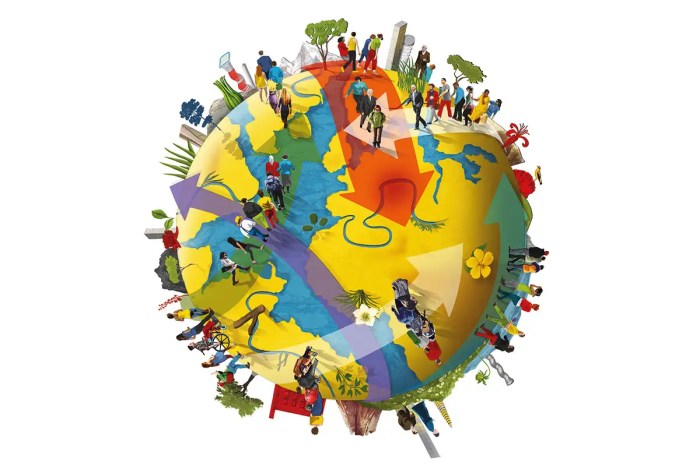
Embark on a journey through the dynamic landscape of global migration trends, where patterns shift, economies evolve, societies adapt, and environments change. Brace yourself for a riveting exploration of how people move and the profound impact it has on our planet.
From economic implications to societal effects and environmental consequences, Global Migration Trends uncovers the intricate web of factors shaping our interconnected world.
Global Migration Trends Overview
Global migration trends are constantly evolving, reflecting the changing dynamics of our world. People are moving across borders for various reasons, such as economic opportunities, political stability, environmental factors, and social reasons. These movements have a profound impact on both the countries of origin and destination, shaping societies and economies in significant ways.
Current Patterns of Global Migration
In recent years, there has been a noticeable shift in migration patterns towards urban areas and developed countries. The increasing interconnectedness of the world has made it easier for people to move across borders, seeking better opportunities for themselves and their families. This has led to a rise in urbanization and multiculturalism in many regions.
Key Factors Influencing Global Migration Trends
Several key factors influence global migration trends, including economic disparities, political instability, climate change, and demographic shifts. Economic opportunities in developed countries often attract migrants from less affluent regions, while conflicts and persecution force others to flee their homes in search of safety and security.
Impact of Global Migration on Different Regions
Global migration has a significant impact on different regions around the world. In destination countries, migrants contribute to workforce diversity, cultural enrichment, and economic growth. However, they also pose challenges related to integration, social cohesion, and resource allocation. In countries of origin, migration can lead to brain drain, demographic imbalances, and loss of human capital.
Examples of Significant Migration Trends
One notable migration trend in recent years is the large-scale movement of refugees and asylum seekers from conflict-affected regions to Europe. This has sparked debates on immigration policies, border controls, and humanitarian assistance. Another trend is the growing number of migrants from Asia and Africa seeking opportunities in countries like the United States, Canada, and Australia, leading to debates on immigration laws and labor markets.
Economic Implications of Global Migration
Global migration trends have significant economic implications, impacting both countries of origin and destination. The movement of people across borders can influence various economic factors, from labor markets to innovation and economic growth.
Impact on Global Economies
Migration plays a crucial role in shaping the economies of countries around the world. It can contribute to economic development by filling labor shortages, driving innovation, and increasing productivity. Migrants often take on jobs that locals may not be willing to do, thereby supporting key industries and sectors.
- Migration can lead to remittances, where migrants send money back to their home countries, providing a significant source of income for families and contributing to the economy.
- It can also foster cultural exchange and diversity, which can stimulate creativity and entrepreneurship, leading to economic benefits.
- However, migration can also pose challenges, such as putting pressure on public services and infrastructure in destination countries, if not managed effectively.
Brain Drain and Brain Gain
The concept of brain drain refers to the emigration of highly skilled and educated individuals from their home countries to seek better opportunities abroad. This phenomenon can have negative effects on the economic development of origin countries, as they lose valuable human capital.
Brain gain, on the other hand, occurs when skilled migrants return to their home countries or when foreign talents choose to migrate to countries that offer better prospects, contributing to knowledge transfer and innovation.
Opportunities and Challenges
Migration trends create both opportunities and challenges for economies. While migrants can fill labor gaps, drive economic growth, and contribute to cultural diversity, they can also strain social services, increase competition for jobs, and raise concerns about social cohesion.
- Governments must develop policies that harness the benefits of migration while addressing its potential downsides, such as ensuring proper integration of migrants into the labor market and society.
- Investing in education and skills training for both native-born and migrant populations can help maximize the positive impacts of migration on economic development.
Societal Effects of Global Migration
Global migration has profound societal effects that shape the cultural landscape and social dynamics of host countries. From social integration challenges to the impact on cultural diversity, migration plays a pivotal role in shaping societies and communities worldwide. Let’s delve deeper into the various aspects of how global migration influences societal structures.
Social Integration Challenges Faced by Migrants
Migration often brings about social integration challenges for migrants in host countries. These challenges can include language barriers, cultural differences, discrimination, and lack of access to essential services. Migrants may face difficulties in finding employment, housing, and establishing social connections, which can impede their ability to fully integrate into the host society.
Impact of Migration on Cultural Diversity and Social Cohesion
Migration contributes to the rich tapestry of cultural diversity in host countries, bringing new traditions, languages, and perspectives. However, the influx of migrants can also lead to tensions and conflicts, particularly when cultural differences clash. Balancing cultural diversity with social cohesion becomes crucial to fostering a harmonious and inclusive society that respects and celebrates differences.
Role of Migrants in Shaping Societies and Communities
Migrants play a vital role in shaping societies and communities by bringing diverse experiences, skills, and talents. They contribute to the economy, enrich cultural exchange, and bring new ideas that drive innovation and progress. Migrants also influence social norms, values, and traditions, contributing to the dynamic evolution of societies over time.
Migration Trends Influence on Social Policies and Welfare Systems
Migration trends have a significant impact on social policies and welfare systems in host countries. Policymakers must address the needs of migrants, including access to healthcare, education, and social services, to ensure their successful integration and well-being. Migration also prompts discussions on citizenship, human rights, and social justice, shaping the development of inclusive policies that benefit both migrants and the broader society.
Environmental Consequences of Global Migration
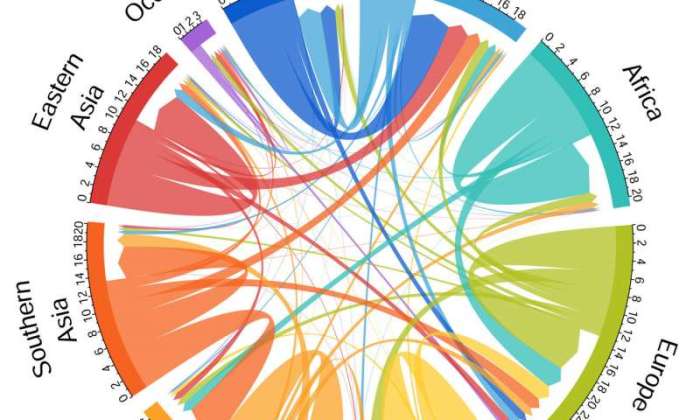
Global migration trends have significant environmental consequences that are often overlooked. As people move across borders in search of better opportunities, there is a ripple effect on the environment that cannot be ignored. Let’s delve into how mass migration movements impact our planet.
Urbanization and Deforestation
Urbanization is a common consequence of global migration, as people tend to settle in cities for better job prospects and living conditions. This rapid urbanization leads to increased demand for land, resulting in deforestation to make way for housing, infrastructure, and other urban developments. As forests are cleared to accommodate growing populations, biodiversity is threatened, and ecosystems are disrupted. This loss of green spaces also contributes to climate change by reducing the Earth’s ability to absorb carbon dioxide.
Climate Change and Migration Patterns
Climate change is a driving force behind migration patterns, as extreme weather events, rising sea levels, and environmental degradation force people to leave their homes in search of safety and stability. As temperatures continue to rise and natural disasters become more frequent, we can expect to see an increase in climate-induced migration. This puts additional strain on resources in destination countries and exacerbates environmental challenges.
Environmental Challenges Associated with Global Migration
One of the key environmental challenges associated with global migration is the pressure it puts on local ecosystems and natural resources. Increased population density in urban areas leads to higher levels of pollution, waste generation, and energy consumption, further contributing to environmental degradation. Additionally, the displacement of communities due to climate change or conflict can lead to overexploitation of resources in host regions, leading to resource depletion and ecosystem destruction.Overall, the environmental consequences of global migration are complex and far-reaching.
It is crucial for policymakers and stakeholders to consider the environmental impact of migration movements and work towards sustainable solutions that benefit both people and the planet.
Wrap-Up
As we conclude our exploration of Global Migration Trends, we are left with a deeper understanding of the complex interplay between people, places, and policies. The ever-evolving nature of migration continues to shape our world, offering both challenges and opportunities for a future defined by movement and change.
Essential Questionnaire
What are the main factors influencing global migration trends?
Factors such as economic opportunities, political instability, climate change, and social networks play a significant role in shaping global migration patterns.
How does migration impact cultural diversity?
Migration enriches cultural diversity by introducing new traditions, languages, and perspectives to host countries, contributing to a vibrant tapestry of multiculturalism.
What environmental challenges are associated with global migration?
Mass migration movements can lead to increased urbanization, deforestation, and strain on natural resources, exacerbating environmental issues in both origin and destination regions.
What is brain drain and brain gain in the context of migration?
Brain drain refers to the emigration of skilled individuals from one country to another, while brain gain describes the positive impact of skilled migrants contributing to the development of their host country’s economy and society.